
4 min read

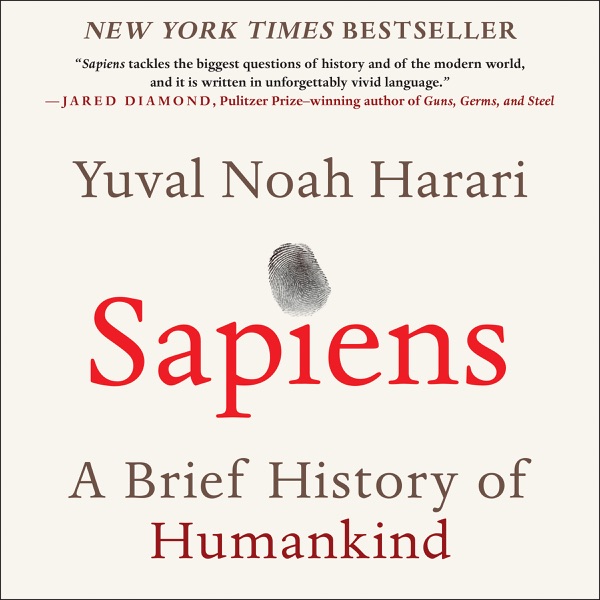
What if the story of our species could be told in a single sweeping narrative, from the moment humans were just another animal to the world-shaping force we are today? In Sapiens, Yuval Noah Harari traces that arc with bold, accessible ideas that have made the book a global phenomenon. It’s the kind of big-picture thinking that rewires how you see almost everything.
Get the Sapiens Audiobook on AmazonListen on Audible · also in Kindle & printWhat Sapiens is about
Sapiens is Yuval Noah Harari’s ambitious overview of the history of our species, Homo sapiens. Rather than a dry timeline, it’s an idea-driven exploration of how humans came to dominate the planet, organizing the story around major turning points in our development. Harari examines how shared beliefs, cooperation, and the things we collectively imagine, from money to nations, allowed humans to build societies on an unprecedented scale.
Written for a general audience, the book moves across vast stretches of time while connecting the past to questions about who we are now. Harari’s tone is curious, provocative, and often willing to challenge assumptions readers take for granted. The result is a wide-ranging perspective on culture, power, and progress that invites reflection rather than offering easy answers. It’s accessible enough for newcomers to big-history thinking, yet thought-provoking enough to spark plenty of debate.
| Author | Yuval Noah Harari |
|---|
Why Sapiens is great on audio
Harari’s conversational, essay-like style translates well to listening, since the book is built on clear arguments and vivid framing rather than dense data you need to see on the page. The Sapiens audiobook is well suited to commutes, walks, or long drives, where you can sit with each big idea as it unfolds. If you enjoy learning through narrative and thinking out loud alongside the author, the audio format is a natural fit.
Who should listen
Listen if you love sweeping ideas, history that connects to the present, and books that make you question how the modern world came to be. Curious generalists and fans of accessible nonfiction will find a lot to chew on here. You might skip it if you prefer tightly focused, highly technical histories, or if grand, opinion-forward generalizations tend to frustrate you.
If you like Sapiens, listen to these next
- Atomic Habits by James Clear
- Rich Dad Poor Dad by Robert Kiyosaki
- Think and Grow Rich by Napoleon Hill
How to listen to Sapiens
Sapiens is available on Audible and Amazon. If you’re new to Audible you can listen with a free trial, or buy the audiobook (also in Kindle and print) on Amazon.
Get the Sapiens Audiobook on AmazonListen on Audible · also in Kindle & printFrequently asked questions
How can I listen to the Sapiens audiobook?
The Sapiens audiobook is available on Audible and Amazon. If you’re new to Audible, you can start with a free trial and use it to begin listening, or you can simply purchase the audiobook through Amazon.
Is Sapiens a good pick for someone new to history books?
Yes. It’s written for a general audience and focuses on big, accessible ideas rather than specialist detail, which makes it a friendly entry point for listeners who don’t usually reach for history. Those wanting a narrow, deeply technical history may prefer something more specialized.
What is Sapiens actually about?
It’s a broad overview of the history of the human species, exploring how humans rose to dominate the planet and how shared ideas and cooperation shaped the societies we live in. Harari connects the deep past to questions about the present in a wide-ranging, idea-driven way.
Does the audiobook work well if I mostly listen on the go?
It does. The book is structured around clear arguments and memorable framing, so it holds up nicely during commutes, walks, or chores. You can absorb one idea at a time without needing to follow charts or visuals.