
4 min read

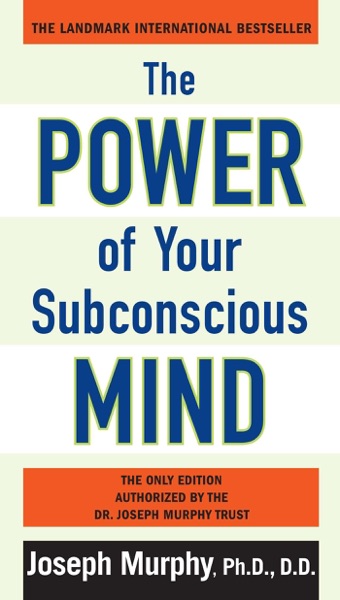
First published in 1963, Joseph Murphy’s enduring classic argues a single, provocative idea: the thoughts you repeat shape the life you live. It’s the kind of book people return to for years, and hearing its affirmations and case studies read aloud gives them a fresh, almost meditative weight.
Listen to The Power of Your Subconscious Mind Free30-day free trial • Your first audiobook free • Cancel anytimeWhat The Power of Your Subconscious Mind is about
Joseph Murphy lays out his core premise plainly: there are two levels of mind, the reasoning conscious mind and the deeper subconscious that accepts and acts on whatever the conscious mind impresses upon it. From that foundation he builds a practical method, walking through how belief, expectation, and repeated mental images influence health, relationships, prosperity, and habits. Drawing on his blend of religious, psychological, and what he calls scientific thinking, Murphy offers techniques such as constructive prayer, visualization, and pre-sleep autosuggestion.
Each chapter pairs a principle with anecdotes Murphy presents as real-life examples, then closes with summary points you can put to use immediately. The tone is earnest, optimistic, and unapologetically self-help, aimed squarely at readers who want a step-by-step framework for reprogramming long-held beliefs rather than abstract theory. It remains one of the most quoted titles in the personal-development canon.
| Author | Joseph Murphy |
|---|---|
| ISBN | 9781101100837 |
| List price | $17.50 |
Why The Power of Your Subconscious Mind is great on audio
The book’s structure suits audio especially well: short chapters, plainspoken language, and end-of-chapter takeaways that land cleanly when spoken. Murphy’s affirmations and pre-sleep exercises were practically made for listening, so it works as something to revisit on a commute or wind down with at night. If you absorb ideas best by hearing them repeated, this is a natural fit.
Who should listen
Listen if you’re drawn to mindset and personal-development classics and want a concrete, technique-driven approach to changing entrenched beliefs. You might skip it if you prefer rigorously sourced psychology or bristle at the book’s spiritual framing and anecdotal evidence, which are central to Murphy’s style rather than incidental.
If you like The Power of Your Subconscious Mind, listen to these next
- The 48 Laws of Power by Robert Greene
- How to Keep House While Drowning by KC Davis
- Extreme Ownership by Jocko Willink & Leif Babin
How to get the The Power of Your Subconscious Mind audiobook free
Yes — the easiest way to get the The Power of Your Subconscious Mind audiobook free is with an Audiobooks.com free trial. Your included credit covers The Power of Your Subconscious Mind, and the audiobook is free to enjoy during the 30-day trial.
Listen to The Power of Your Subconscious Mind Free30-day free trial • Your first audiobook free • Cancel anytimeFrequently asked questions
What is The Power of Your Subconscious Mind actually about?
It’s a practical guide to how your subconscious mind accepts and acts on the beliefs you hold, and how techniques like visualization, affirmation, and pre-sleep suggestion can help you reshape habits, outlook, and goals.
How can I listen to The Power of Your Subconscious Mind audiobook free?
You can get The Power of Your Subconscious Mind audiobook free by starting an Audiobooks.com free trial. The trial includes a credit you use on this title, and the audiobook is free to enjoy during the 30-day trial.
Is this a religious book?
Murphy draws on spiritual and religious ideas, including his concept of constructive prayer, alongside psychological and self-help principles. It isn’t tied to a single denomination, but the spiritual framing runs throughout, so expect that perspective rather than secular science.
Do I need to read it in order, or can I jump around?
Each chapter centers on one principle and ends with summary points, so it works well as a reference you can revisit. That said, the early chapters establish Murphy’s two-mind framework, so listening from the start gives the later techniques their full context.